Figma
Any team where more than two people need to see the design

Independent, opinionated reviews of the SaaS tools real teams buy — what each plan actually costs, where the product is strong, and where it stops being worth the money.
Ordered by our overall score. The score weights value for money and day-two administration more heavily than feature count, which is why some famous products sit lower than you would expect.
Any team where more than two people need to see the design

Merchants who want to sell rather than maintain a store
Companies under 200 people that will assign one person to own structure

Businesses where more than one person needs access to the books
Sales teams of 3–50 who work a defined pipeline
Marketing, sales and ops teams producing routine collateral at volume
Small teams connecting SaaS tools without engineering support
Teams of 20–200 running several projects that need to roll up
Product-led companies with high-volume, repetitive first-line support
Small teams and single-workflow boards where clarity beats capability
Cost-conscious teams with an admin who will learn the platform
Large, low-frequency lists and teams that also send transactional mail
Teams that need external channels and a searchable record

Freelancers and small agencies who bill time to a handful of clients
Cost-sensitive teams with someone willing to own the configuration

Distributed teams that run structured workshops on a regular cadence
Startups that will stay under the Starter feature ceiling
Marketing teams that redesign often and cannot get engineering time

Support teams above ten agents with a defined process to encode

Small lists that will not grow, or teams already deep in Intuit's stack
Scores reflect our own testing criteria and the vendor pricing published on the date shown in each review. They are not a recommendation to buy.
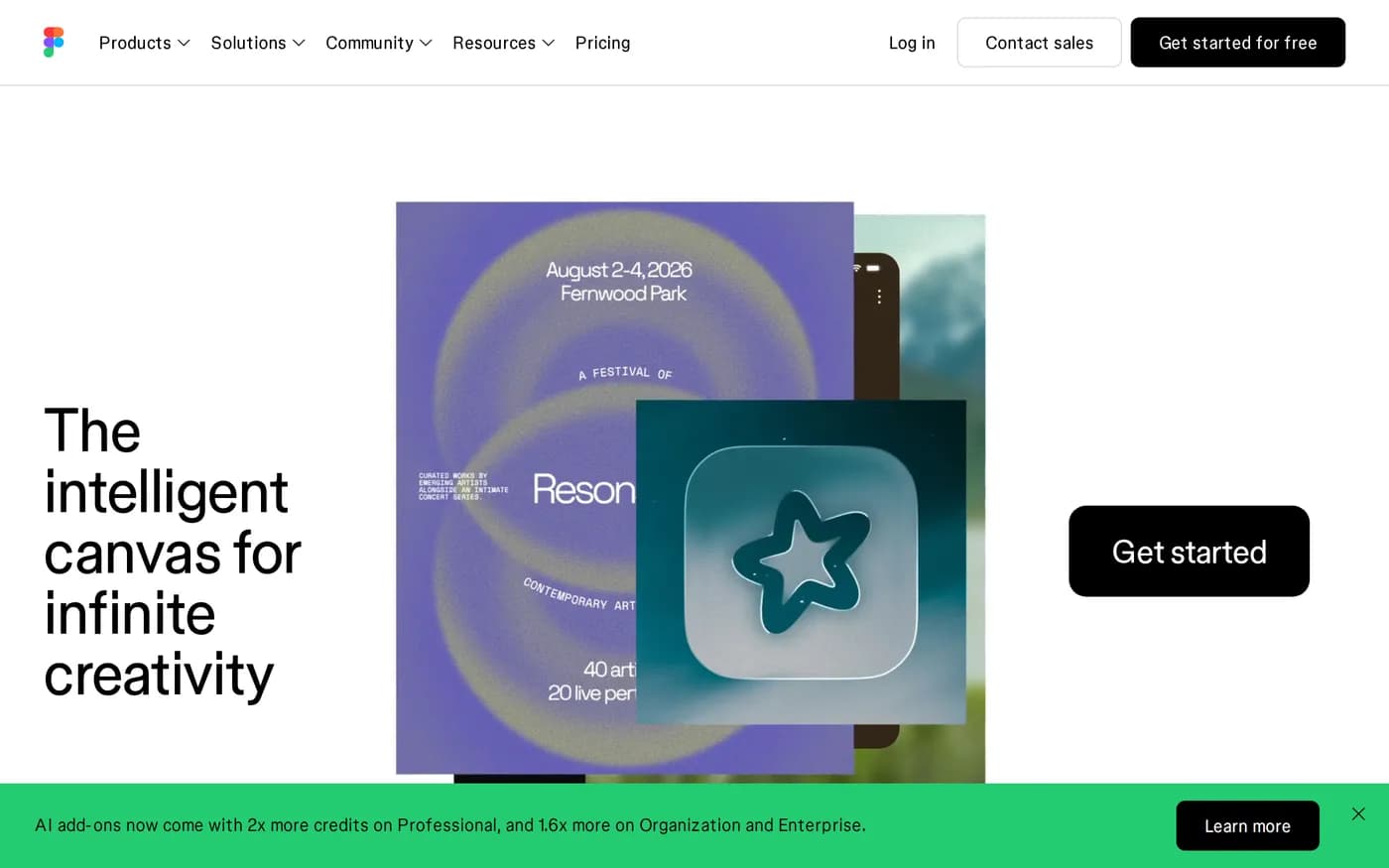
Figma won its category years ago. What is interesting now is the pricing: three seat types, from $3 to $90 a month, that let you put an entire company in the design file without paying designer rates for people who only leave comments.
Basic is $19 a month on annual billing. Then come card processing, the third-party gateway penalty, and four or five apps at $20 to $200 each. Shopify is still the right answer for most merchants — but not for the reason the pricing page implies.
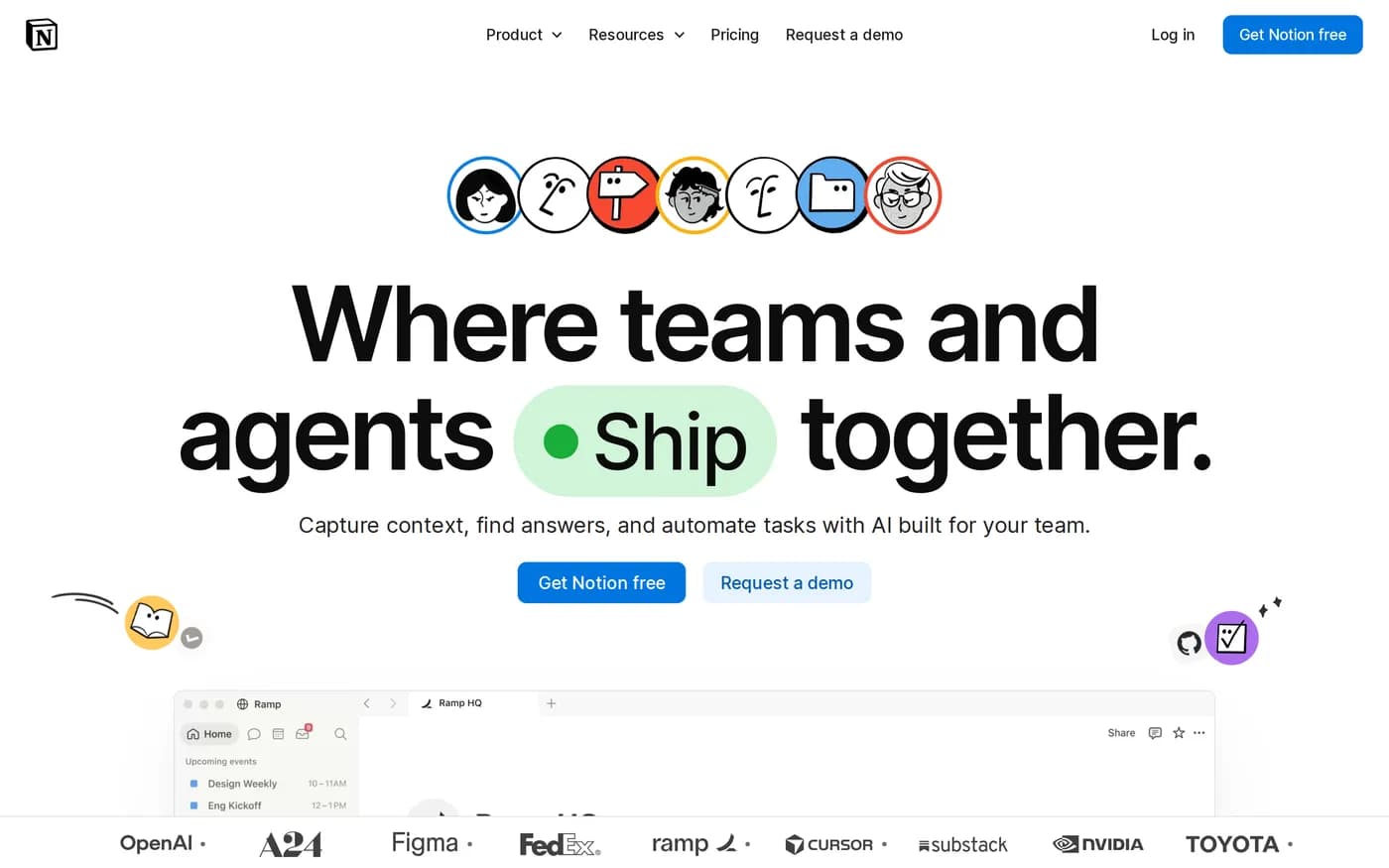
Notion is the most capable documentation tool a small company can buy, and the one most likely to become an unsearchable archive of half-finished pages. At $10 a member the tool is cheap; the discipline it requires is not.
Docs, wikis, chat and shared knowledge. Reviewed on search, structure, and what happens to your content when you leave.
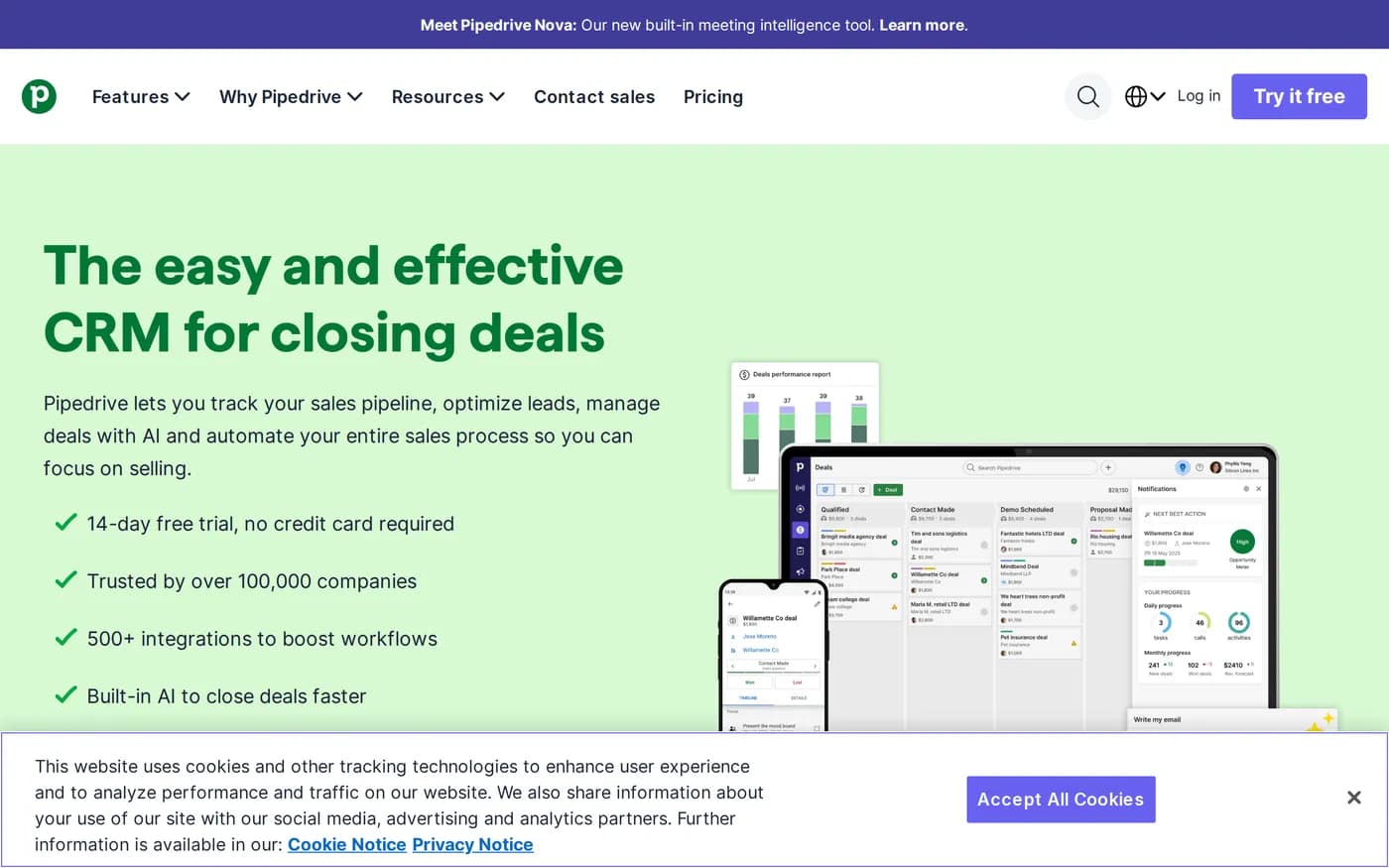
Pipelines, contact records and sales automation. Reviewed on what the entry plan really covers and what the upgrade is actually for.
Helpdesks, shared inboxes and AI agents. Reviewed on routing, reporting and the per-resolution pricing that has replaced per-seat billing.
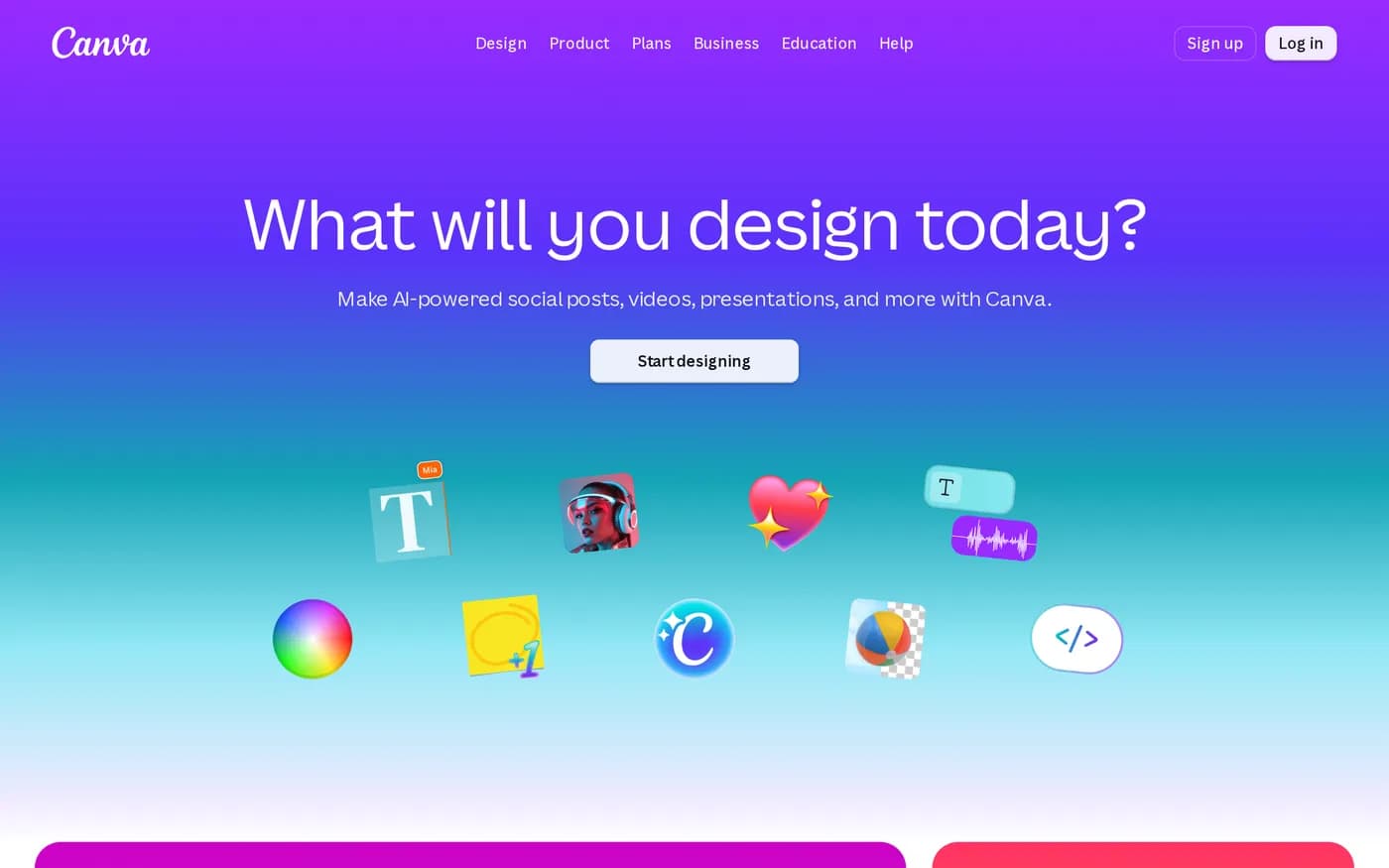
Design tools, whiteboards and brand systems. Reviewed on collaboration, file handling and whether non-designers can safely touch anything.
Bookkeeping and invoicing software, assessed on bank feeds, reporting depth, and how well it survives a real month-end.
Email platforms and marketing automation, judged on deliverability, list-size pricing and how fast the bill grows with the list.
Task trackers, work management platforms and the sprawl that comes with them. Reviewed on how they behave once a team outgrows a single board.
Site builders, storefronts and workflow automation. Reviewed on where the platform fee stops and the real total cost begins.
Plan names, seat minimums and the numbers we quote are all indexed, so searching for a price or a tier name usually works better than searching for a category.
The same four questions, asked of a $7 task tracker and a $2,300 commerce platform. It is why the scores are comparable across categories.
Headline prices are marketing. We read the plan comparison table and record what the cheapest usable tier leaves out — seat minimums, feature gates, add-on fees.
Per-seat, per-contact, per-resolution and per-task pricing all scale differently. We work out where each product gets expensive and at roughly what size.
Almost every tool here is pleasant at ten people. We look for the point where administration, permissions or search quality starts costing somebody a day a week.
Export formats, data retention, contract terms and lock-in. A product that is hard to leave deserves to be marked down for it, and most reviews never say so.
Intercom charges $0.99 when its AI agent actually resolves a conversation, and nothing when it does not. That is a genuinely different commercial proposition from per-agent licensing — and it makes forecasting your support bill much harder.
Sep 9, 2026